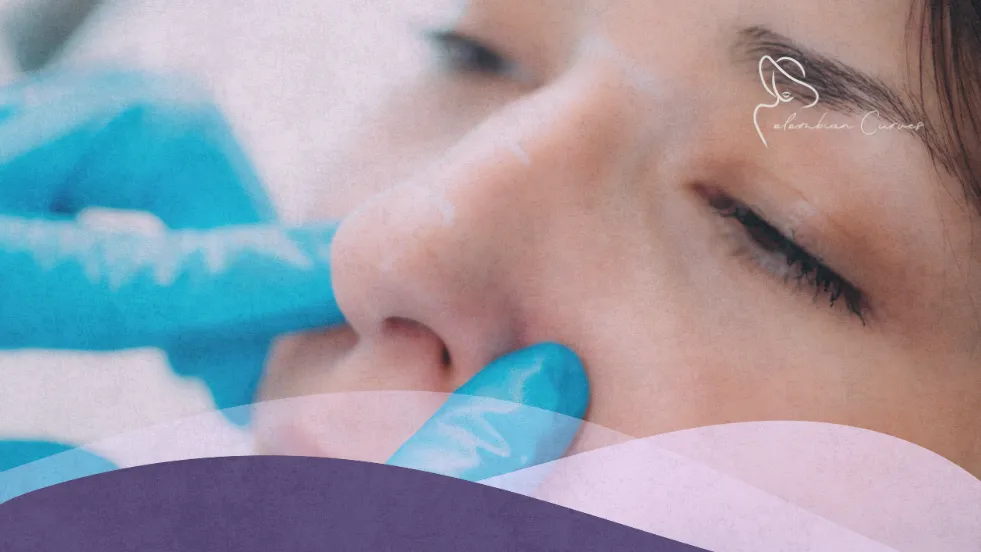
What Is Rhinoplasty? Expert Guide to the Nose Procedure Changing Lives
Rhinoplasty in Transforming Your Confidence and Facial Harmony
Ever wondered how a simple change to your nose could transform your entire look? Rhinoplasty, or a nose job, is one of the most popular cosmetic surgeries in the world. More than just a cosmetic enhancement, it has the power to harmonize facial features and boost self-confidence. Whether addressing functional issues such as breathing difficulties or purely aesthetic concerns, rhinoplasty offers a tailored approach to achieving both balance and proportion in the face.
Understanding what rhinoplasty entails is a critical first step for anyone considering the procedure. The process involves a careful evaluation of nasal structure, facial symmetry, and the patient’s unique goals. Surgeons utilize advanced techniques to refine the shape of the nose, which can range from subtle adjustments to more dramatic transformations. By learning about the procedure, expected results, and potential risks, patients can make informed decisions that align with their personal vision.
Recovery and post-operative care are equally important aspects of the rhinoplasty journey. Proper guidance during the healing process ensures optimal results and minimizes complications. From managing swelling and discomfort to following recommended lifestyle adjustments, understanding the recovery timeline can significantly improve both the experience and outcome of the surgery. With the right preparation and knowledge, rhinoplasty can be a transformative step toward enhanced self-esteem and facial harmony.
What is Rhinoplasty
Rhinoplasty, also known as a nose job, is a surgical procedure designed to reshape the nose for cosmetic or functional purposes. Knowing what is a rhinoplasty procedure helps patients set realistic expectations and prepare for recovery. It can address concerns such as a crooked nose, a bump on the bridge, or breathing difficulties caused by structural issues. Understanding the procedure also allows patients to make informed decisions about the surgical approach and desired outcomes.
The Basics of Rhinoplasty
Rhinoplasty involves adjusting the bone, cartilage, or skin of the nose. Patients seek it for aesthetic reasons, correcting asymmetry, or improving breathing. The procedure can be customized to each individual’s facial structure, ensuring a natural and balanced look. Advances in surgical techniques have made rhinoplasty safer, with more predictable outcomes than ever before. Recovery times and results vary depending on the complexity of the procedure, so careful planning is essential. Surgeons work closely with patients to set realistic expectations and select the best surgical approach. With proper preoperative preparation and post-operative care, patients can achieve both functional improvements and enhanced facial harmony.
Who Can Benefit from Rhinoplasty Noses Procedures
Rhinoplasty is a transformative procedure that can improve both the appearance and function of the nose. However, not everyone is an ideal candidate, and understanding who can benefit is essential for safety, optimal results, and patient satisfaction. By carefully assessing factors such as facial structure, health, age, and personal goals, patients can make informed decisions and set realistic expectations for their surgical journey.
Individuals seeking to refine the shape, size, or symmetry of their nose for cosmetic reasons.
Patients needing corrective surgery after trauma, injury, or previous nasal procedures.
Those experiencing functional issues such as breathing difficulties, deviated septum, or nasal obstruction.
Men and women of varying ages, with surgeons generally recommending waiting until nasal growth is complete.
People with good overall health, suitable nasal structure, and realistic expectations for surgical outcomes.
Patients evaluated through a thorough consultation to determine the most effective approach, cosmetic, functional, or combined.
Individuals who want guidance on recovery timelines, potential risks, and expected results to ensure satisfaction.
Understanding who is best suited for rhinoplasty not only helps patients achieve their desired aesthetic and functional outcomes but also ensures a safer, more predictable surgical experience. With careful evaluation and planning, candidates can confidently take the first step toward improving their appearance, breathing, and overall quality of life.
Differences Between Cosmetic and Functional Rhinoplasty
Understanding the differences between cosmetic and functional rhinoplasty is essential for making an informed decision and setting realistic expectations. Each approach targets specific goals, and some patients may benefit from a combination of both.
Key points include:
Cosmetic Rhinoplasty: Focuses on enhancing the appearance of the nose. Common procedures include reshaping the nasal tip, narrowing the bridge, refining nostril size, and improving facial symmetry. These changes aim to create a natural and balanced look that complements the patient’s overall facial features.
Functional Rhinoplasty: Addresses breathing or structural issues, such as a deviated septum, nasal obstruction, or other airway problems. The procedure improves breathing, alleviates discomfort, and can also prevent long-term nasal complications.
Combined Approach: Some rhinoplasty procedures are designed to achieve both cosmetic and functional improvements simultaneously. This allows patients to enhance aesthetics while correcting structural or medical concerns, achieving a comprehensive outcome.
Choosing the right type of rhinoplasty ensures that your goals, whether aesthetic, functional, or both, are safely and effectively met. With careful planning, guidance from experienced surgeons, and personalized support throughout the process, patients can enjoy both improved nasal function and a natural, confident appearance.
Setting Expectations for Rhinoplasty
Understanding what rhinoplasty involves helps you set realistic goals and prepare for the recovery process, including swelling reduction and gradual changes in appearance. Recovery timelines vary, so patience and following post-operative care instructions are essential for achieving the best results. Having a clear discussion with your surgeon about expected outcomes and potential limitations, along with proper mental and emotional preparation, can contribute to a smoother recovery and greater satisfaction.
Rhinoplasty requires careful planning, skilled surgeons, and proper aftercare to achieve safe and satisfying results. At Colombian Curves Concierge, patients receive personalized guidance throughout the entire process, from selecting trusted, board-certified surgeons to navigating consultations, surgery, and post-operative recovery. Clients can approach their rhinoplasty journey confidently, knowing every step is managed with care and attention to their individual goals.

Planning Your Rhinoplasty Journey
Preparation ensures safe surgery, reduces complications, and improves results. A structured approach enhances confidence and satisfaction. Researching the procedure, understanding recovery expectations, and setting realistic goals help you make informed decisions. Taking time to prepare mentally and physically also contributes to a smoother recovery and better outcomes.
Preoperative Consultations
During consultations, surgeons evaluate your facial structure, medical history, and goals. Clear communication about desired results is essential. Patients are encouraged to ask questions, review before-and-after photos, and discuss potential outcomes. This open dialogue helps align expectations and builds trust between the patient and surgeon.
Creating a Surgery Checklist
A rhinoplasty checklist ensures all pre-surgery steps, such as blood tests, medication adjustments, and dietary guidelines, are completed. This reduces risks and promotes a smooth procedure. Including travel arrangements, recovery essentials, and follow-up appointments helps streamline the process. Staying organized before surgery also helps minimize stress and allows for a more comfortable experience.
Understanding Rhinoplasty Before and After
Knowing rhinoplasty before and after care helps manage expectations. Preoperative instructions may include avoiding certain medications, while post-op care focuses on wound management and swelling control. Following your surgeon’s guidance closely ensures proper healing and long-lasting and natural-looking results.
Talking After Rhinoplasty
Early talking after rhinoplasty may be limited due to swelling or discomfort. Following your surgeon’s guidance ensures proper healing without complications. Keeping speech to a minimum in the first few days helps reduce strain on nasal tissues and supports faster recovery. As swelling subsides, normal speech gradually returns without affecting your final results.
Thorough preparation is essential for a safe and successful rhinoplasty experience. With Colombian Curves Concierge, patients receive personalized guidance every step of the way, from planning and consultations to surgery and recovery. By connecting clients with trusted surgeons and offering dedicated support, Colombian Curves ensures a seamless, comfortable, and confident rhinoplasty journey.
The Rhinoplasty Procedure
Knowing the procedure helps reduce anxiety and understand recovery requirements. Rhinoplasty typically involves reshaping the bone, cartilage, or soft tissue of the nose to achieve the desired form and function. The surgery is performed under anesthesia, and techniques vary depending on each patient’s goals and anatomy. Understanding these steps helps patients feel more prepared and confident going into surgery.
Surgical Techniques for Rhinoplasty
Understanding the surgical techniques used in rhinoplasty helps patients feel more informed and prepared for their procedure. Each approach has unique benefits and is chosen based on the patient’s anatomy, goals, and the complexity of the surgery.
Key techniques include:
Open Rhinoplasty
Provides the surgeon with a full and unobstructed view of the nasal structure, allowing for precise adjustments.
Incisions are made on the outside of the nose, typically on the columella, which connects the nostrils.
Ideal for more complex cases, such as significant reshaping, reconstructive procedures, or correction of previous surgery results.
Enables accurate manipulation of cartilage and bone for balanced and natural-looking outcomes.
Closed Rhinoplasty
Incisions are hidden inside the nostrils, resulting in no visible scarring.
Often used for minor refinements, subtle tip adjustments, or simpler reshaping procedures.
Generally has shorter recovery times compared to open rhinoplasty.
Focuses on achieving aesthetic improvements while preserving nasal function.
Technique Selection
The choice of technique is based on the patient’s specific goals, nasal anatomy, and extent of correction required.
Both open and closed approaches aim for natural symmetry, minimal scarring, and functional breathing.
Surgeons consider the long-term results and durability of changes when determining the best method.
Selecting the appropriate surgical technique is crucial to achieving a safe, effective, and satisfying rhinoplasty outcome. Understanding the differences between open and closed approaches empowers patients to make informed decisions, reduce anxiety, and feel confident that their procedure is tailored to their individual needs.
Anesthesia and Surgery Duration
Most rhinoplasty procedures use general anesthesia. Surgery duration depends on complexity but generally ranges from one to three hours. Some minor adjustments may be performed under local anesthesia with sedation for patient comfort. Proper anesthesia management ensures a safe and pain-free experience throughout the procedure. Anesthesia plans are tailored to each patient’s medical history and comfort level. Continuous monitoring during surgery helps detect any changes in vital signs immediately, further ensuring safety.
Rhinoplasty Noses Adjustments
Surgeons reshape the nose by modifying cartilage or bone. Minor refinements are possible in cosmetic rhinoplasty, while major structural changes address functional issues. The goal is to enhance facial harmony while maintaining or improving breathing function. Each adjustment is carefully planned to match the patient’s proportions and desired outcome. Surgeons also consider long-term stability and how changes will age over time. Postoperative planning includes strategies to maintain both aesthetic and functional results.
Safety Measures During Surgery
Colombian clinics follow strict safety protocols, including sterilization, anesthesia monitoring, and certified surgical teams, ensuring a safe and controlled procedure. Surgeons use advanced technology to track vital signs and maintain sterile conditions. Emergency equipment and trained staff are always on hand to handle rare complications. These precautions help guarantee the highest standards of patient care during surgery. Staff receive regular training in emergency response and infection control. Additionally, detailed preoperative assessments minimize risks and identify any patient-specific safety concerns.
A successful rhinoplasty depends on skilled surgeons, precise techniques, and strict safety measures at every stage. Patients must understand the procedure, set realistic expectations, and follow pre- and post-operative care for optimal results. With Colombian Curves Concierge, patients gain access to certified professionals and trusted clinics in Colombia that uphold the highest surgical standards. From coordinating consultations and travel to providing ongoing support during recovery, our service ensures every detail is managed. This comprehensive guidance helps patients feel informed, confident, and fully supported throughout their rhinoplasty journey.

Recovery and Postoperative Care
Recovery is critical for achieving desired results and avoiding complications. Following post-surgery instructions helps reduce swelling and promote healing. Patience and consistent care during this phase ensure long-lasting and natural-looking results. Proper follow-up appointments allow your surgeon to monitor healing and address any concerns promptly. Maintaining a healthy lifestyle and protecting your nose from injury during recovery further supports optimal outcomes.
Managing Swelling and Bruising
Swelling is normal and gradually reduces over weeks. Cold compresses, head elevation, and prescribed medications help manage discomfort. Maintaining a healthy diet and staying hydrated can also support faster healing and reduce inflammation. Gentle facial massages or lymphatic drainage, when approved by your surgeon, can help minimize swelling. Wearing supportive pillows during sleep can further reduce pressure on the nose. Tracking swelling and bruising daily helps you notice any unusual changes early and report them promptly.
Rhinoplasty Before and After Visuals
Documenting rhinoplasty before and after provides insight into results and progress, helping you adjust to changes and monitor healing. These visuals can also guide future touch-ups or refinements if needed. Comparing photos over time helps patients understand the natural healing process, which can be gradual. Before-and-after documentation allows surgeons to evaluate surgical success objectively. Sharing these visuals with your medical team helps ensure any concerns are addressed promptly.
Talking After Rhinoplasty Guidance
Speaking may feel uncomfortable in the first days. Following instructions for gentle talking ensures proper nasal healing. Avoiding excessive talking or laughing in the early stages helps protect delicate nasal tissues. Limiting phone calls and voice strain can also prevent pressure on the nose. Practicing slow, controlled speech helps maintain comfort while communicating. Over time, as swelling subsides, normal speech can resume without impacting recovery.
Long-Term Care and Follow-Up
Regular check-ups allow the surgeon to monitor healing, adjust treatment if necessary, and ensure lasting results. Proper care preserves the appearance and function of the nose. Maintaining sun protection and avoiding trauma to the nose supports long-term outcomes. Consistently following the surgeon’s instructions for cleaning and moisturizing the incision sites promotes healthy tissue. Lifestyle adjustments, such as avoiding high-impact sports early on, further protect results. Staying in touch with your surgeon for annual evaluations helps detect subtle changes and maintain the best long-term appearance.
Recovery after rhinoplasty is a critical phase that shapes the final results. At Colombian Curves Concierge, patients are supported with practical guidance, tips for comfort, and coordination of follow-up care, helping them navigate healing with ease. This hands-on assistance ensures that each patient’s journey is not only safe but also personalized, making the path to a confident new appearance smoother and more manageable.
Why Choose Colombian Curves for Rhinoplasty
Medical tourism for rhinoplasty requires trustworthy guidance and ethical care, and Colombian Curves Concierge provides exactly that. Patients benefit from personalized support, transparent pricing, and connections with certified surgeons, ensuring a safe and informed surgical journey. From the initial consultation to post-operative recovery, clients receive translation services, travel assistance, and one-on-one guidance, making the entire rhinoplasty experience smooth and stress-free. Upfront pricing, clear communication, and ethical practices further guarantee that patients can make confident decisions with minimal risk.
Colombian Curves Concierge connects patients with board-certified surgeons who have extensive experience in both cosmetic and functional rhinoplasty. These specialists deliver consistent, natural results while prioritizing patient safety and satisfaction. By working closely with trusted surgeons, patients gain access to advanced surgical techniques and personalized care tailored to their unique facial structure and goals.
Beyond the surgery itself, Colombian Curves Concierge provides support with accommodation, transportation, and recovery logistics, ensuring patients can focus fully on healing and enjoying their results. This comprehensive assistance makes every stage of the rhinoplasty journey seamless, comfortable, and customized to each individual’s needs. With guidance and support at every step, patients experience a smoother, more confident, and rewarding rhinoplasty process.
Achieve Your Desired Nose Safely and Confidently
Understanding what is rhinoplasty is the first step toward achieving your desired nose shape safely. Colombian Curves Concierge ensures a smooth, ethical, and supported rhinoplasty journey in Colombia. Contact us today to start your consultation and take the next step toward your transformed appearance.

